
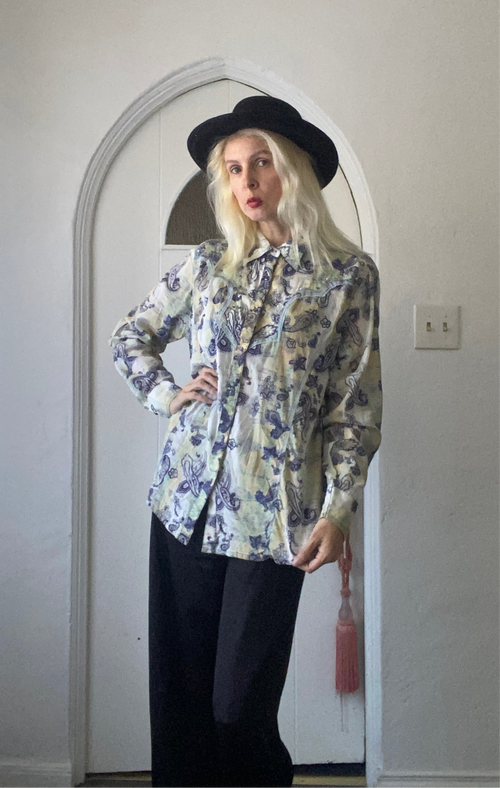


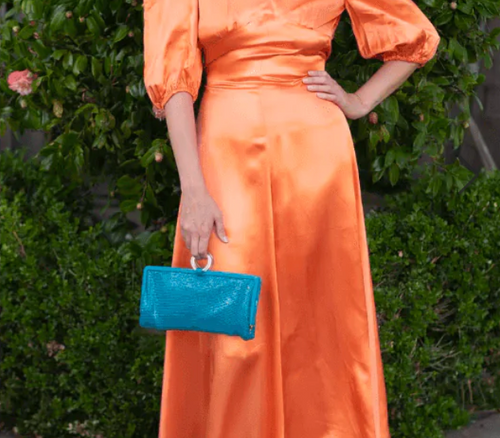

These three words get used almost interchangeably online, but they don't mean the same thing — and knowing the difference will save you money and disappointment when you shop. Shop the Look "Vintage" describes a garment's age, "retro" describes its design references, and "Y2K" describes a very specific late-90s-to-mid-2000s aesthetic. A dress can be one, two, or all three at once.
Here's the simplest way to remember it: vintage is when a piece was made, retro is what a piece looks like, and Y2K is a particular vintage era with its own visual language.
Vintage: a question of age
A garment is vintage when it was manufactured at least 20 years ago and clearly reflects the design conventions of its era. The label, fabric, construction, and silhouette should all line up with that period. A vintage piece doesn't have to look old-fashioned — many 1990s slip dresses, for example, would slot seamlessly into a contemporary wardrobe — but it does have to actually be old.
If something is older than 100 years it becomes antique. If something was made within the last two decades, it isn't vintage yet, even if it looks like it should be.
Retro: a question of style, not age
Retro means "backward-looking." A brand-new dress that mimics a 1970s prairie cut is retro. A reproduction 90s slip is retro. Retro pieces can be lovely — they're often more durable, easier to size, and made with allergy-friendly modern fabrics — but they aren't vintage and shouldn't be priced as such.
A useful question to ask yourself before buying: was this garment manufactured during the era it references, or is it referencing that era now? The first is vintage; the second is retro.
Y2K: a specific era with a specific look
Y2K refers to the fashion of roughly 1998 to 2005 — the turn-of-the-millennium window when low-rise denim, smocked cotton tops, baby tees, butterfly motifs, sparkly cardigans, and tech-inflected metallics shaped the cultural mood. Because much of this era is now over 20 years old, true Y2K is officially in the vintage category, which is why authentic pieces have spiked in price.
There's also a parallel boom in Y2K-inspired (retro) clothing made today. Both have their place, but they should be labeled honestly.
Why the difference matters when you shop
Pricing, durability, and care instructions all shift based on which category your piece falls into. True vintage often uses fabrics like rayon, viscose, silk, and natural-fiber blends that need gentler care. Retro pieces are typically built for the modern wash cycle. Y2K vintage frequently uses polyester blends with distinctive stretch and shine.
When a seller can't or won't tell you the manufacturing decade, treat that as a signal. Honest vintage sellers know what they're selling, and a quick look at the tag, zipper, and fabric should give them the answer.
Mixing the three in one outfit
There's no rule against combining categories. A 70s vintage skirt, a Y2K-era cardigan, and a retro graphic tee can make a perfectly coherent outfit — what matters is that the silhouettes balance and the palette agrees. The categories help you shop. The combinations are entirely yours.


