
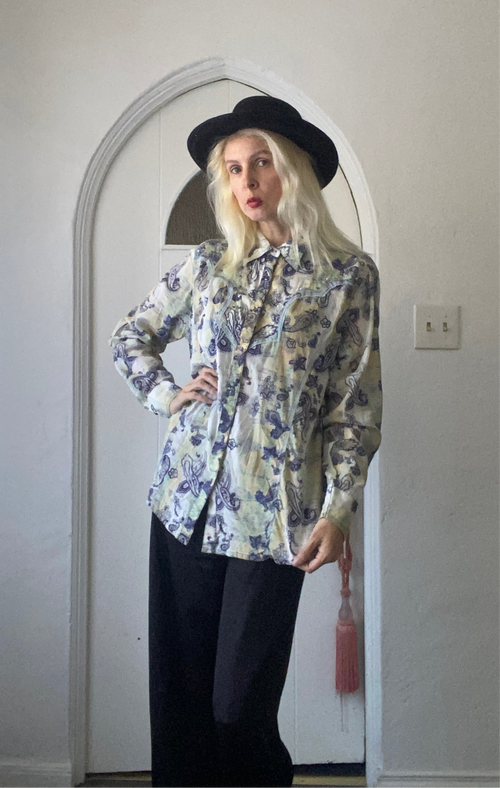
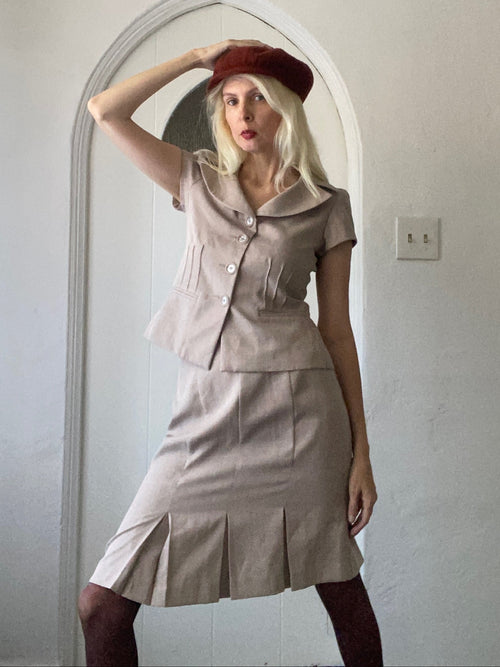

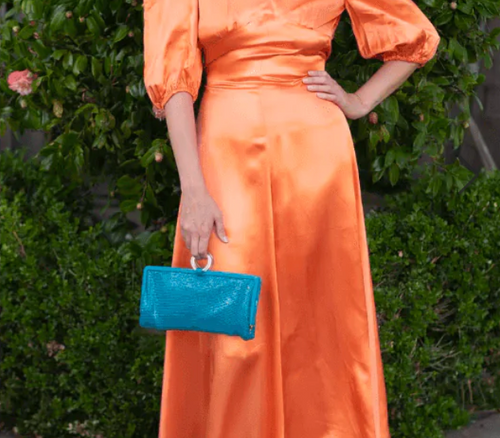

Vintage fashion is more than secondhand clothing — it's a curated relationship with the past. Shop the Look A garment is generally considered "true vintage" when it is at least 20 years old and reflects the design language, fabrics, and construction methods of the decade it came from. Anything older than 100 years crosses into antique territory; anything younger is usually called retro or pre-owned. At Blondes in Heaven, we focus on the rich middle ground — the 1960s through the early 2000s — because that span produced the most romantic, wearable, and collectible silhouettes you can build a wardrobe around today.
Understanding vintage starts with understanding eras. Each decade has a signature: the clean A-lines of the 60s, the flowing earth-toned bohemia of the 70s, the bold shoulders of the 80s, the pared-back slip dresses of the 90s, and the smocked, low-rise playfulness of early Y2K. When you can read those signatures, sourcing becomes intuitive rather than overwhelming.
Why "20 years old" is the working definition
Collectors, dealers, and most major resale platforms use a 20-year cutoff. It's a practical line — long enough that fabric quality, construction, and design clearly belong to another era, but flexible enough to keep the category alive as new decades age in. As of today, anything made before roughly 2006 is fair game for the vintage label.
That said, true vintage is also about feel. A 1972 prairie dress with hand-finished lace and a metal zipper from Talon will feel different in your hands than a current reproduction — even one styled to look identical. That tactile difference is what trained vintage shoppers learn to recognize.
The defining features of each era
The 1960s gave us mod minimalism, shift dresses, baby-doll silhouettes, and the first taste of psychedelic prints by mid-decade. Hemlines rose, structure softened, and color became confident. The 1970s flipped the script with looser cuts, prairie hems, gauze, crochet, fringe, and the boho-romantic palette that still defines our store's aesthetic.
The 1980s arrived with volume — shoulder pads, statement sleeves, bold color blocking, and graphic prints. The 1990s reacted with the opposite: slip dresses, neutral palettes, minimalist tailoring, and a return to discreet luxury. And the early 2000s, now firmly inside the vintage window, layered playful smocking, ruffles, low-rise denim, and baby tees over the minimalism that preceded it.
What separates vintage from "vintage-style"
Vintage-style or vintage-inspired pieces are newly manufactured but designed to reference a previous era. They're often beautiful and can be a great way to nod to a look you love — but they aren't vintage. Real vintage carries a history, a maker's tag, sometimes a previous owner's alterations, and almost always the small irregularities of pre-fast-fashion production.
When you shop vintage, you also shop sustainably. Each piece you adopt skips a manufacturing cycle, keeps textile out of landfill, and adds character that modern wardrobes can't replicate at scale.
How to start building a vintage wardrobe
If you're new to vintage, start with one era you love and one silhouette that works on your body. Many of our customers fall in love with 70s boho first because the flowing cuts and natural fabrics are forgiving and easy to integrate with what they already own. From there, you can branch into accent pieces — a 60s shift, a 90s slip — that play well with your core.
The most important thing is to buy what you actually wear. A romantic 1970s tiered maxi that lives in your closet is more sustainable, more stylish, and more honest than a museum piece you never put on.


