
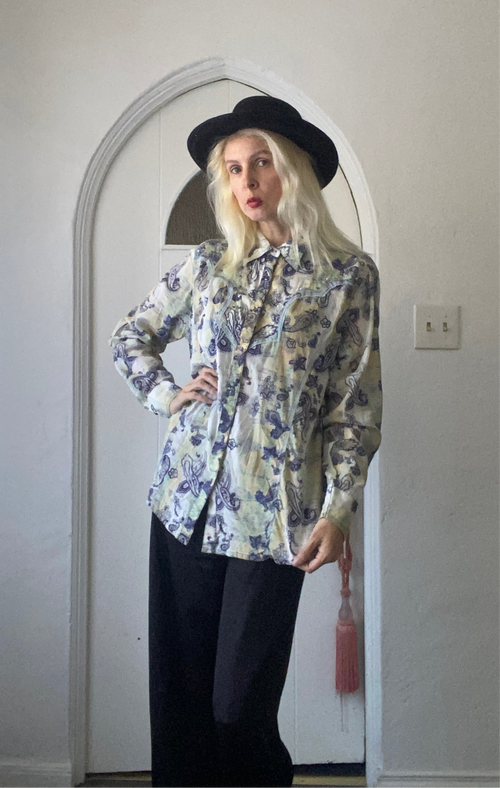


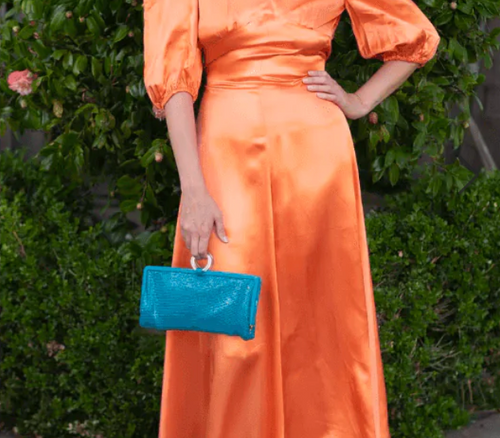

Vintage sizing is one of the most confusing parts of buying older clothing — and one of the most fixable, once you understand what's actually going on. Shop the Look A "size 10" from 1965 fits very differently from a "size 10" from 2002. Brand sizing has drifted dramatically over the past sixty years, and the only reliable answer is measurements.
This guide gives you a rough decade-by-decade reference so you can shop smarter.
Why sizing drifted
The phenomenon is sometimes called vanity sizing: as average body sizes have grown, brands have relabeled garments to keep customers feeling like the same number. A modern size 8 might match a 1970s size 12 in actual measurements. The labels keep moving while bodies stay the same.
Some vintage pieces also pre-date standardized sizing entirely and were sized by individual brands or even by individual makers.
1960s sizing
Vintage 60s pieces tend to run smaller than their numerical labels suggest. A 60s size 12 often equates to a modern size 4-6 in bust and waist. Garments from this era often have generous seam allowances, so a skilled tailor can sometimes let them out.
Always check the actual bust, waist, and hip measurements before purchasing.
1970s sizing
70s sizing varies dramatically by brand. American brands generally ran two sizes smaller than today; European brands varied by country. Many 70s dresses had built-in stretch through smocked bodices, drawstrings, or wrap closures, which gave them range.
Boho 70s pieces are often more forgiving in size than 60s pieces simply because of their looser silhouettes.
1980s sizing
80s sizes are closer to modern but still tend to run small. A size 8 from 1985 is often a modern 4 or 6. Tailored pieces from the era — blazers, sheath dresses, suits — fit closer to body measurements, so accuracy matters more.
Shoulder construction also dates 80s pieces; modern shoulders are narrower.
1990s sizing
By the 90s, sizing was much closer to modern, with maybe one size of drift on average. A 90s size 8 is often a current 6. Slip dresses and minimalist pieces from this era tend to fit closest to body measurements because there's no draping or structure to forgive.
Vintage 90s denim sizing follows waist measurement in inches more honestly than current denim does.
2000s/Y2K sizing
Y2K-era sizing is very close to modern, sometimes one size off. The era favored fitted silhouettes, so accurate measurements matter more than in looser eras.
Low-rise pieces also require you to check the rise (top of waistband to bottom of zipper) in addition to the waist measurement.
Reading vintage measurements
When a seller provides measurements (bust, waist, hip, length, shoulder, sleeve, rise), compare them to your own honest body measurements taken over the underwear you'd wear with the garment. Allow 1-2 inches of ease for fitted styles and 4-6 inches for loose styles. Length matters too — vintage hems often run longer than modern.
If a seller doesn't list measurements, ask. Reputable sellers expect the question.


