
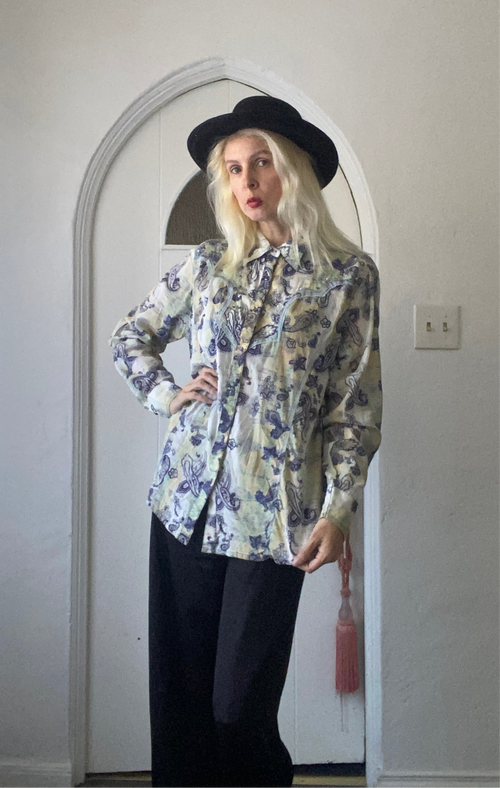
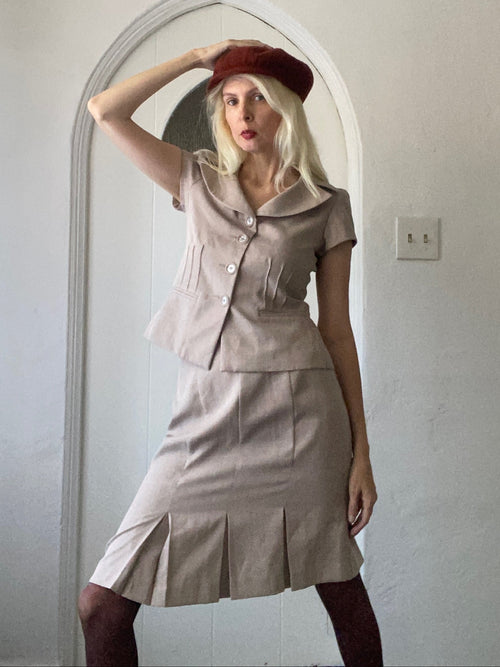

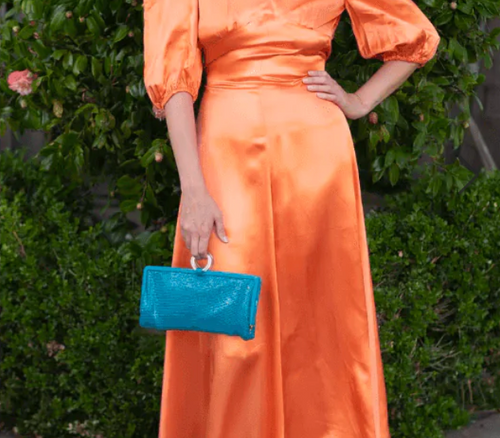

Knowing your own measurements is the single most important skill in vintage shopping. Shop the Look Once you have them, you can buy confidently from any seller, any era, anywhere in the world — because measurements don't lie even when size labels do. The whole process takes about ten minutes.
Here's how to do it properly.
What you'll need
A soft fabric measuring tape (not a metal carpenter's tape), a notepad or phone to record numbers, and a mirror or a willing friend to help with back measurements. Wear lightweight underwear or fitted clothing — no bulky layers.
Measure standing tall and relaxed, not sucking in or stretching.
The five primary measurements
Bust: around the fullest part of the chest with arms relaxed at the sides. Waist: around the narrowest part of the torso, usually about an inch above the navel. Hip: around the fullest part of the hips and seat, usually 7-9 inches below the natural waist. Shoulder: from the bony point of one shoulder across the back to the other. Inseam: from the inside of the knee straight down to where you want a pant to hit.
Write down each number twice — measuring twice prevents most errors.
Useful secondary measurements
High bust (just under the armpits) helps determine your true bra band size and improves bodice fit. Natural waist height (distance from shoulder seam to natural waist) helps confirm whether a vintage waist will sit where it's supposed to. Arm circumference at the bicep matters for fitted-sleeve vintage. Total dress length preference helps you read length numbers in listings.
These take an extra two minutes and save many returns.
Comparing to vintage measurements
Find the relevant garment measurement in the listing — for a top, bust; for a skirt, waist and hip. Compare to your body measurement. For fitted pieces, allow 1-2 inches of ease (the garment should be 1-2 inches larger than you are). For loose or boho pieces, allow 4-6 inches.
If the garment is smaller than you in any key dimension, it generally won't fit — vintage fabric rarely stretches enough to forgive a missing inch.
Special cases
Bias-cut pieces (often 30s, 40s, and 90s) can be more forgiving because the fabric stretches across the grain. Knit pieces can also stretch into a half-size larger. Tightly woven cottons and structured tailoring will not stretch at all.
Smocked bodices have a flexible range — sellers often list both the unstretched and stretched bust measurement.
When measurements don't match the dress
If a garment is too long, it can usually be hemmed. If it's too loose, it can be taken in (usually up to two sizes). If it's too small in shoulders or rise, those rarely modify well. Use this rule to decide whether a borderline-fit vintage piece is worth buying.
A good tailor is worth their weight in gold to a vintage shopper.
Re-measure annually
Bodies change. Re-measure once a year, especially before a big vintage-shopping season. Two minutes of measuring saves dozens of disappointing purchases.


