
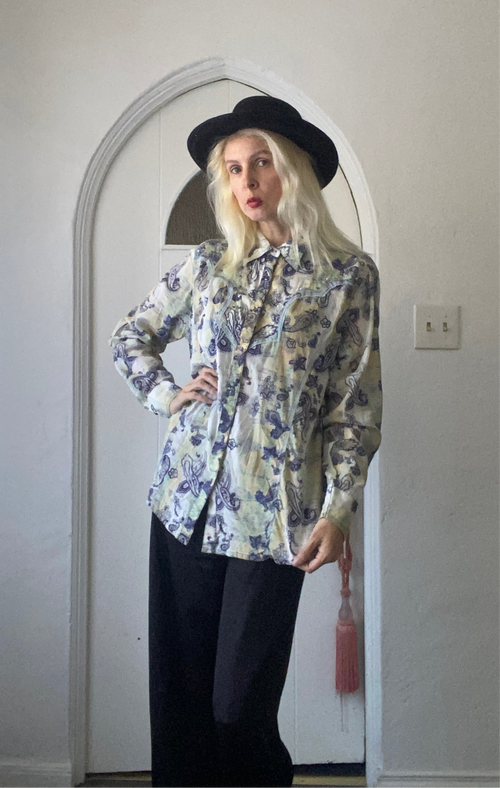
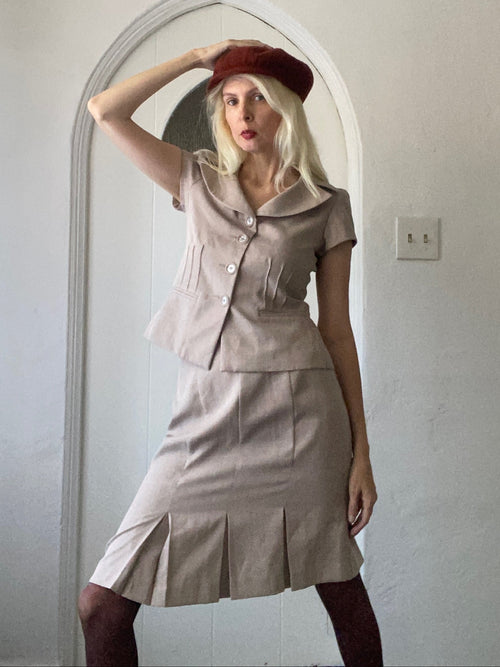
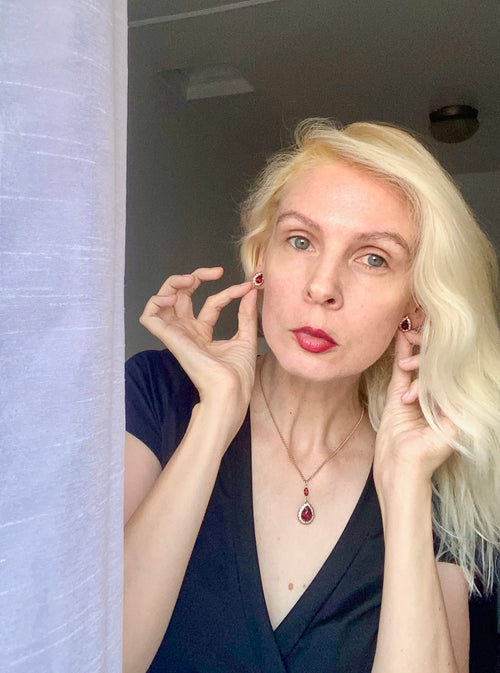
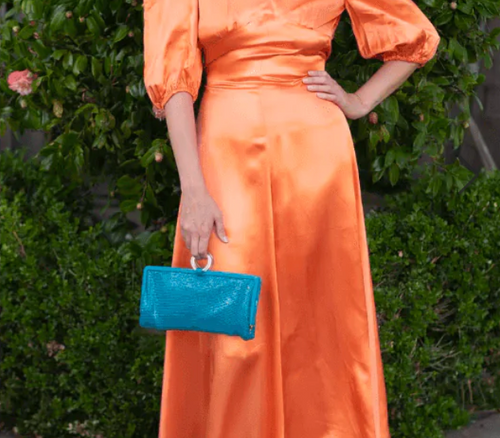

Boho — short for bohemian — describes a style rooted in unstructured silhouettes, natural fabrics, earthy palettes, and a sense of freedom borrowed from artists, travelers, and counterculture movements of the late 1960s and 1970s. Shop the Look It's not a single look so much as a mood: soft, romantic, layered, and a little untamed.
If you want a shorthand definition, boho clothing favors flow over structure, texture over polish, and personality over trend. A boho piece almost always tells you what it wants to be worn with.
The roots of bohemian style
Bohemian fashion has a long history — its 19th-century artist origins, its 1960s hippie revival, and its 1970s mainstream peak each added layers to what we now call boho. The modern interpretation pulls most heavily from the 70s: maxi dresses, prairie hems, embroidery, fringe, and the warm tonal palettes of the American West and the global folk traditions the era romanticized.
What makes the look durable is that it never fully went away. It revives every decade or so because the underlying values — comfort, individuality, natural materials — never go out of style.
Key features of boho clothing
Several traits recur reliably. Silhouettes tend to be loose and forgiving: A-line, empire, fit-and-flare, or tiered. Fabrics lean toward rayon, cotton, gauze, lace, crochet, and embroidered cotton. Necklines are often soft — square, scoop, V-neck, or smocked — and sleeves are frequently dramatic without being structured.
Decorative detail is part of the language: lace insets, eyelet trim, ruffles, smocking, embroidery, fringe, and small mirror or shell work in heritage-inspired pieces.
The boho color story
Boho palettes are almost always grounded in earth tones — rust, terracotta, cream, sage, ochre, mustard, deep teal, and washed indigo. Pops of color happen, but they're filtered through warmth: think dusty rose rather than bubblegum pink, or burnt orange rather than neon.
These tones photograph beautifully against natural light and pair effortlessly with denim, leather, and turquoise jewelry.
Boho vs cottagecore vs Western
Boho overlaps with adjacent aesthetics but isn't identical to them. Cottagecore leans more pastoral and English-garden in feel; Western leans more structured, with denim, suede, fringe, and concho details; boho sits in between, with looser silhouettes and a more global, layered sensibility.
If you're not sure which category a piece belongs to, ask whether the mood is dreamy (cottagecore), rugged (Western), or wandering (boho).
How to know if a piece is genuinely boho
Ask three questions. Does the silhouette flow rather than cling? Are the fabrics natural or natural-feeling? Is there at least one handcrafted-feeling detail — embroidery, crochet, lace, smocking, or fringe? If you answer yes to all three, the piece is solidly boho.
From there, the only question is how you'll style it — and that's where the fun starts.


