
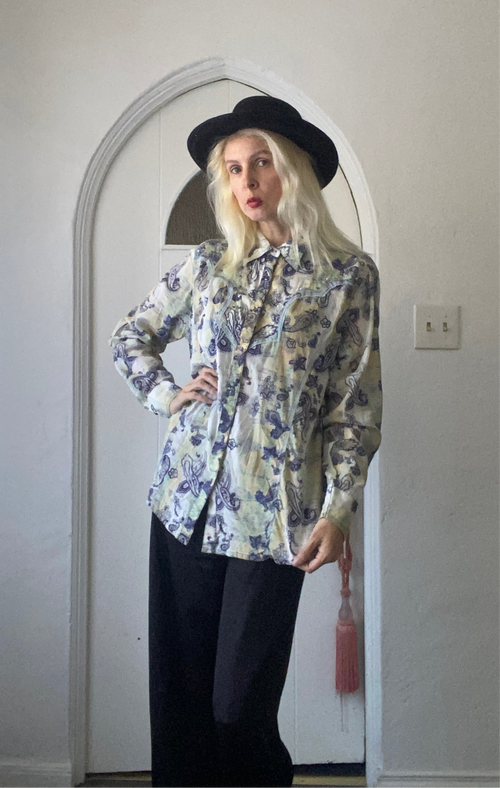
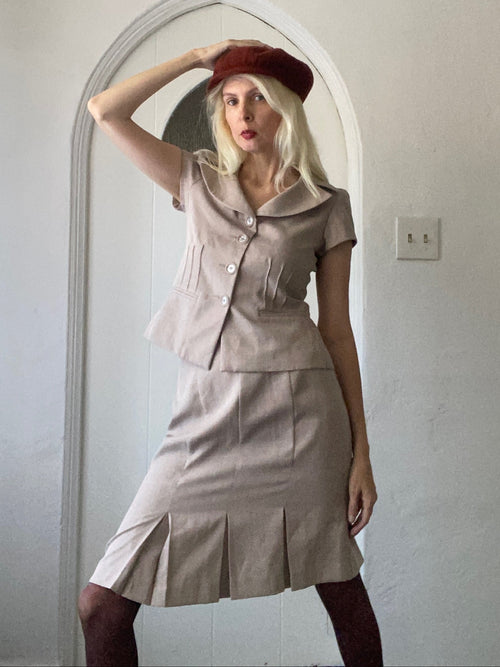

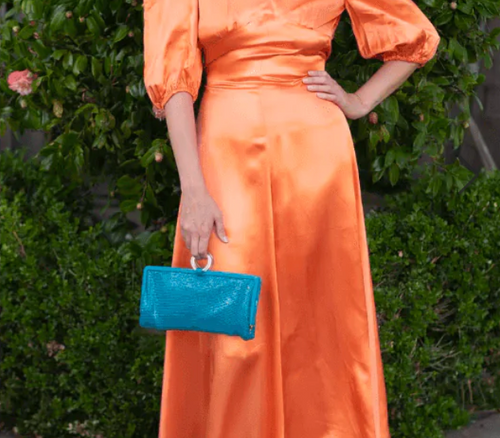

Whether you're selling vintage online or just photographing your closet for reference, good photography is the difference between a piece that sells and a piece that sits. Shop the Look Vintage clothing has texture, drape, and detail that flat retail photography often misses — and showing those well is what makes buyers trust both the piece and the seller.
Here's a practical guide for photographing vintage in a way that does it justice.
Light first, camera second
Natural daylight is almost always better than artificial light. Set up near a north-facing window or shoot outdoors in soft, indirect light during the hour after sunrise or before sunset. Avoid direct midday sun — it flattens texture and exaggerates color.
If you must shoot indoors with artificial light, use diffused soft boxes on both sides at 45 degrees to avoid harsh shadows.
Background discipline
Choose a clean, neutral background — cream wall, soft gray, or natural wood — that won't compete with the garment. Avoid busy patterns, strong colors, or anything that distracts the eye from the piece itself.
Consistency across your listings also builds trust. Customers should recognize your photos before they read the seller name.
Show the silhouette honestly
Use a dress form or model to show how the piece actually hangs. Flat-lay photography can hide drape problems, fit issues, or shoulder distortion. If you use a model, include at least one image where the fit reads clearly.
Include front, back, and one side angle for every dress.
Capture the details
Close-ups of the tag, the zipper, the seam finish, the fabric content (if labeled), the lining, and any decorative detail (lace, embroidery, smocking) build buyer confidence enormously. Customers can't touch the piece, so the photos have to compensate.
Always photograph flaws as clearly as the highlights. Disclosing damage builds trust; hiding it destroys it.
Color accuracy matters
Vintage colors are often subtle, and an over-saturated photo or strong color cast can make a customer reject a beautiful piece. Shoot in raw if possible, balance white in post-production, and consider including a reference card in one shot so buyers know the color is honest.
If your photo looks brighter or cooler than the actual garment, fix it before listing.
Measurements with the photos
Always pair photographs with measurements — bust, waist, hip, length, sleeve, shoulder. Vintage sizing is unreliable, and measurements are the only honest reference. A simple flat-measurement photo of a tape measure across the bust often saves a return.
List measurements in both inches and centimeters when selling internationally.
Edit lightly
Resist the urge to over-edit. A small exposure or white-balance tweak is fine; heavy retouching erases the texture and patina that make vintage worth buying. Honesty is the brand.


