
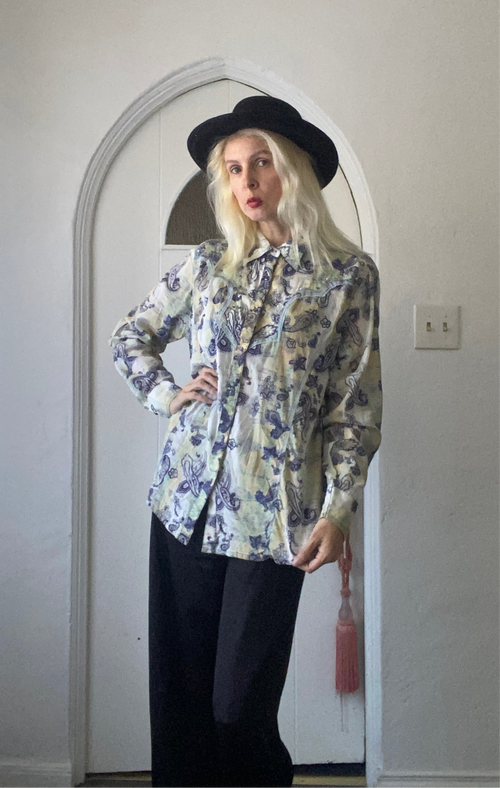
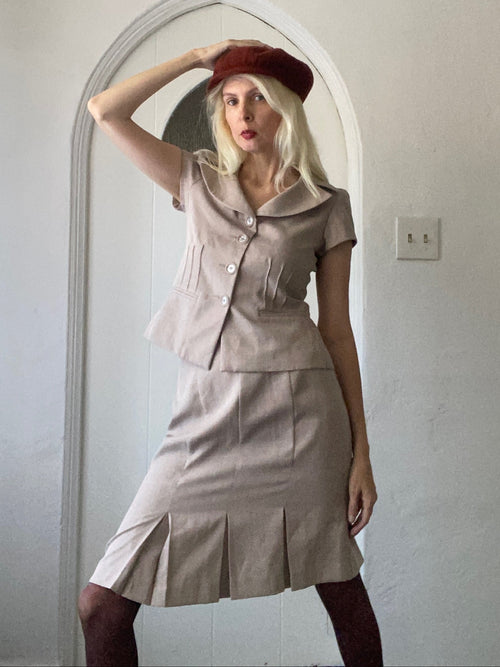

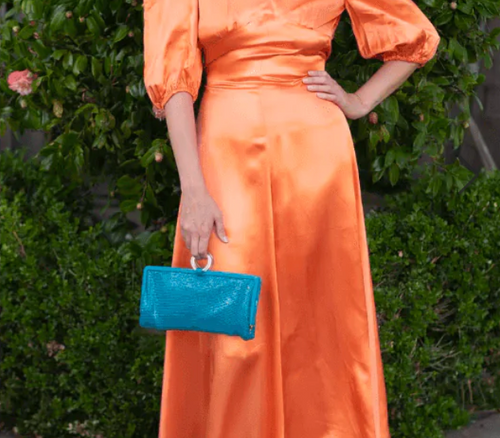

The boho world has its own silhouette vocabulary — A-line, empire, fit-and-flare, drop-waist, tiered, and wrap. Shop the Look Knowing which silhouette you're looking at makes shopping faster, sizing easier, and styling more confident. Each cut behaves differently on the body, and each one has its sweet spot.
Here's a clear breakdown of the most common boho dress silhouettes and how to recognize them.
A-line: the classic flare
An A-line dress flares gradually from the shoulders or bust outward to the hem, creating the shape of the letter A. The cut skims the body without clinging and works on almost every figure. In boho contexts, A-lines often come in cotton or rayon with floral, paisley, or embroidered details.
Recognize A-line by the gentle, continuous outward flare — no defined waist, no sharp break in the silhouette.
Empire waist: high-waist romance
An empire-waist dress has a fitted bodice that ends just below the bust, with the skirt flowing loosely from that high seam. The cut originated in early 19th-century Regency dress and was reborn in 60s and 70s boho. It's especially flattering for fuller busts, pear shapes, and apple shapes.
Recognize empire waists by the visible seam line just under the bust and the loose flow below.
Fit-and-flare: cinched waist, full skirt
A fit-and-flare dress hugs through the bodice and natural waist and then flares outward sharply for the skirt. This silhouette emphasizes an hourglass shape and creates a dramatic, romantic profile. 50s rockabilly dresses, 70s wrap dresses, and 80s prom-style boho pieces often use this cut.
Recognize fit-and-flare by the clean break at the natural waist between fitted bodice and full skirt.
Drop waist: 20s revival energy
A drop-waist dress places the waistline at the hips rather than the natural waist, with the skirt flaring or pleating from there. The look revived in 70s boho, especially in flapper-inspired pieces with fringe or beading.
Recognize drop-waist by the seamline at the hip and the lengthened, narrower bodice above it.
Tiered: horizontal layers of flare
Tiered dresses are built from horizontal gathered panels, each wider than the one above. The look adds volume, movement, and visible texture. Tiered maxis are one of the most beloved boho silhouettes for good reason.
Recognize tiered by the horizontal seams that divide the skirt into clear gathered or ruffled bands.
Wrap: tied-and-true
A wrap dress crosses the bodice over itself and ties at the waist, creating a V-neckline and an adjustable fit. The cut is forgiving, flattering across body types, and became iconic in 70s boho through Diane von Furstenberg. Boho wrap dresses appear in everything from cotton prints to silky rayon.
Recognize wrap dresses by the crossover bodice and the tie or sash at the waist.
Smocked: stretchy and structured
A smocked bodice creates its own silhouette by gathering fabric horizontally across the chest or waist with elastic thread. The cut flatters fuller busts and adjusts naturally to body shape. Smocked maxis are a vintage boho staple.
Recognize smocking by the gathered, elasticized panel — usually across the bust, sometimes the waist.
Pairing silhouette to occasion
Empire and tiered maxis read romantic and daytime-friendly. Fit-and-flare reads more polished and dressed up. Wrap dresses are the most versatile — they slide between day and evening with a shoe change. A-line shifts read clean and classic. Knowing which silhouette suits which occasion helps you build a wardrobe that actually gets worn.


